 Note profiles
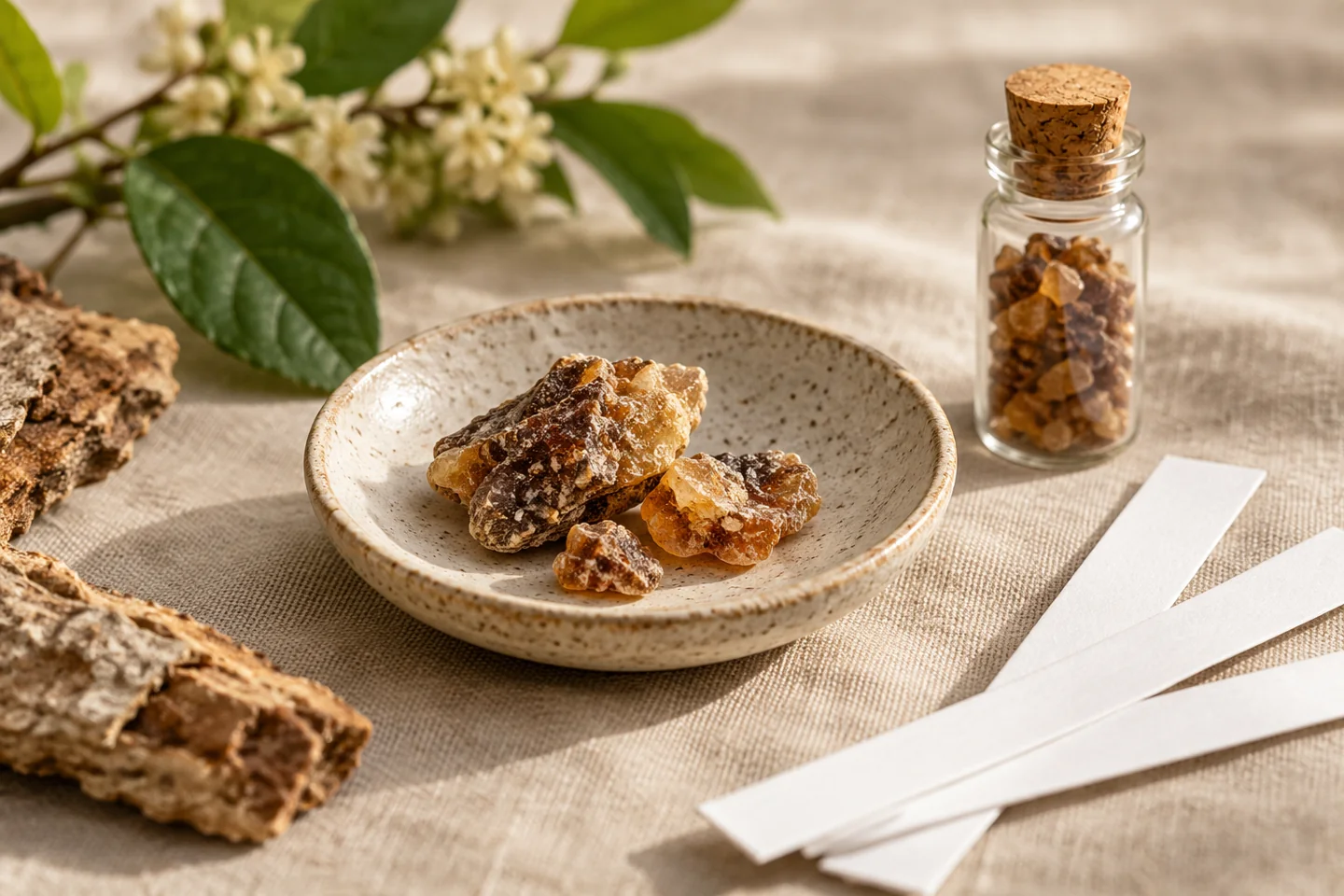
Benzoin Can Have a Vanilla Facet Without Being Vanilla
Follow the material, extraction and description as separate clues when reading a balsamic fragrance note.
Read the guide ↗The Note Library
A library of scent descriptions, comparisons and questions to carry into your next sampling session.
Illustration generated with AI; generic objects, not brand photography or measured evidence.
Note profilesFollow the material, extraction and description as separate clues when reading a balsamic fragrance note.
Read the guide ↗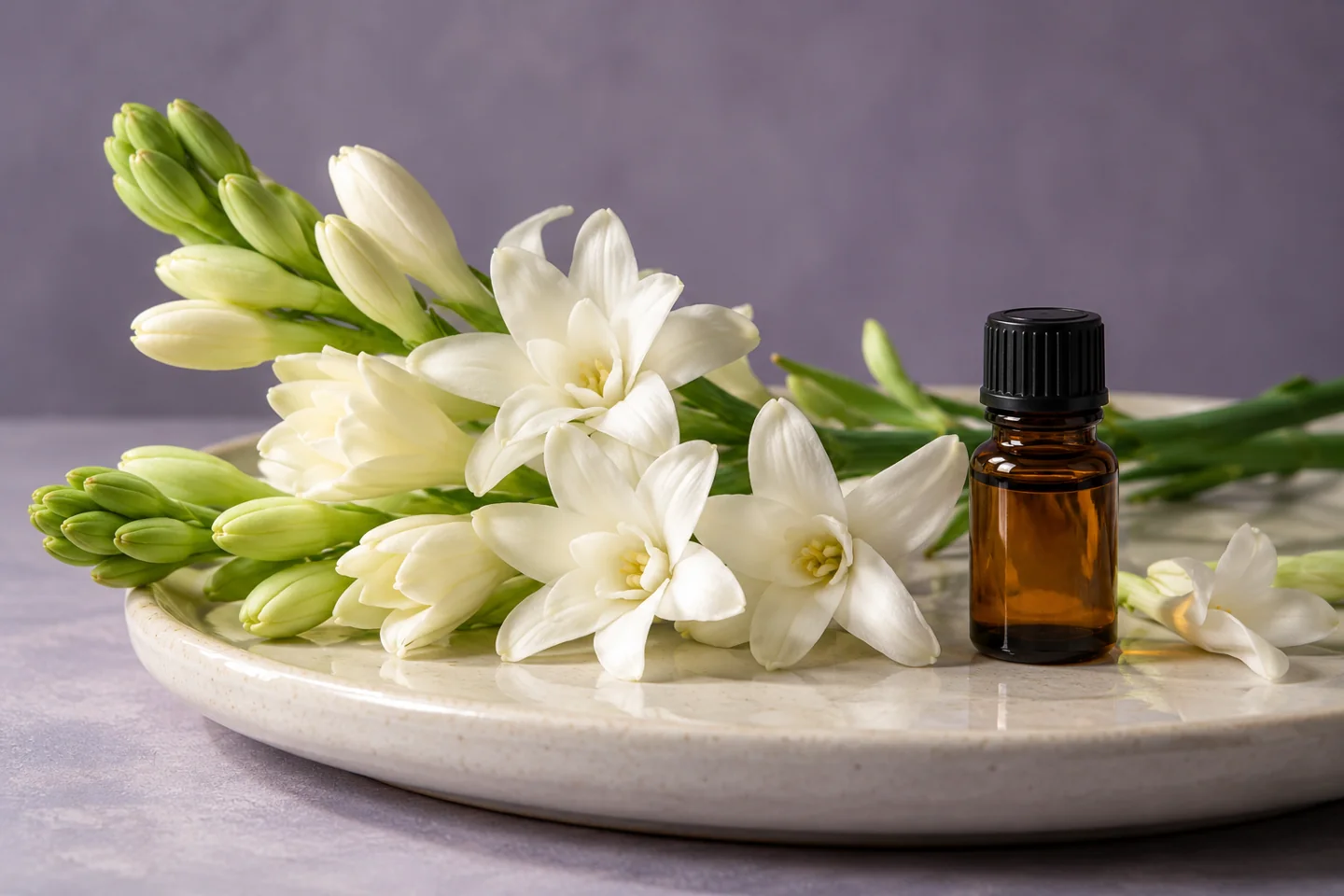 Note profiles
Follow the flower-to-material record without treating a supplier compendium as a perfume recipe.
Read the guide ↗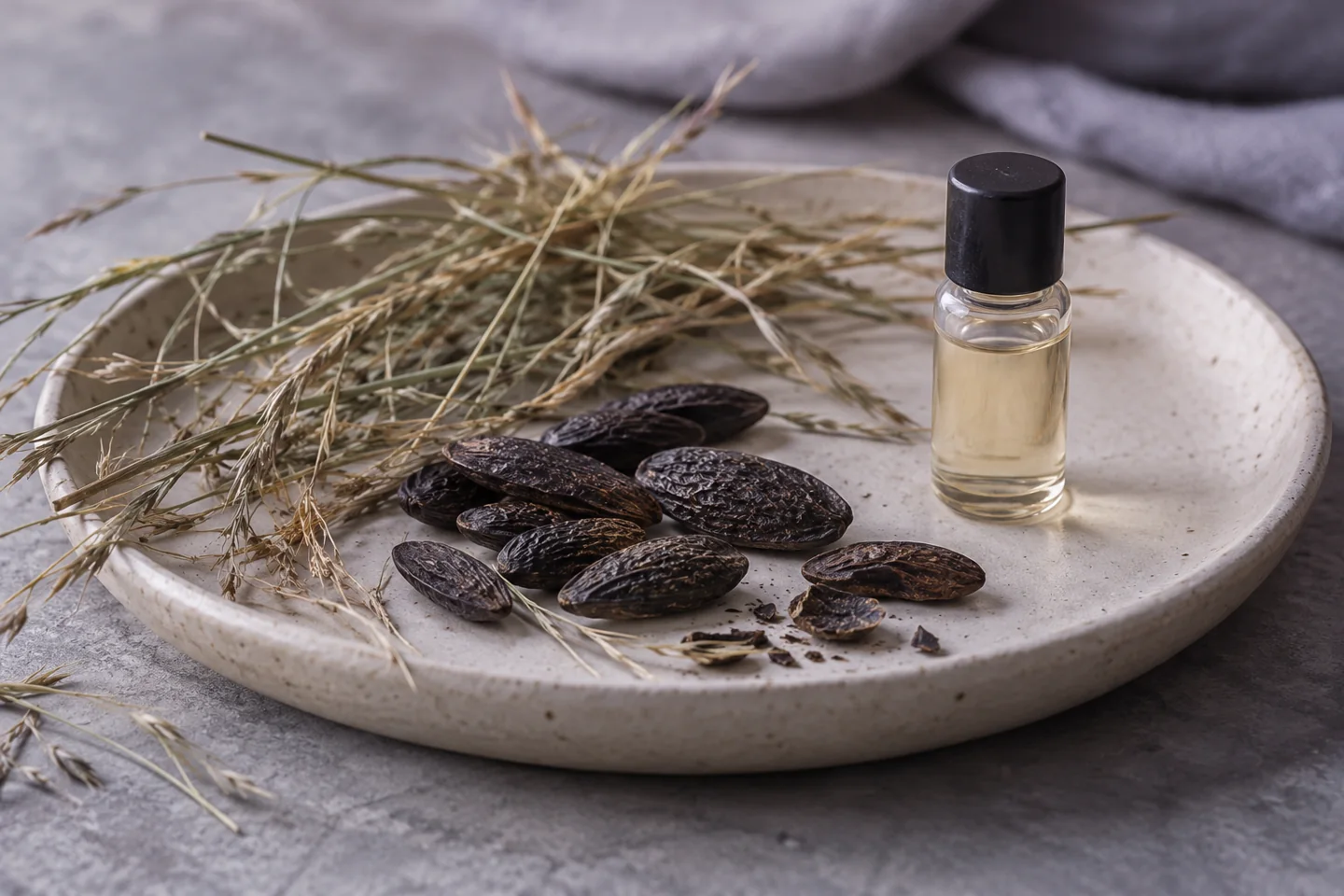 Note profiles
A supplier’s material record helps separate the bean, the extracted material and the words used to describe a scent.
Read the guide ↗ Reading notes
Follow one familiar label word from aroma material to finished fragrance without guessing the formula.
Read the guide ↗ Reading notes
Turn broad woody descriptions into precise sampling questions without guessing a formula.
Read the guide ↗ Note profiles
Use musk as a question about texture and balance, rather than a universal smell or ingredient.
Read the guide ↗ Note profiles
Describe the texture around a rose impression before dismissing an entire floral category.
Read the guide ↗ Note profiles
A vocabulary map for juice, peel, green accents and the balance of a citrus description.
Read the guide ↗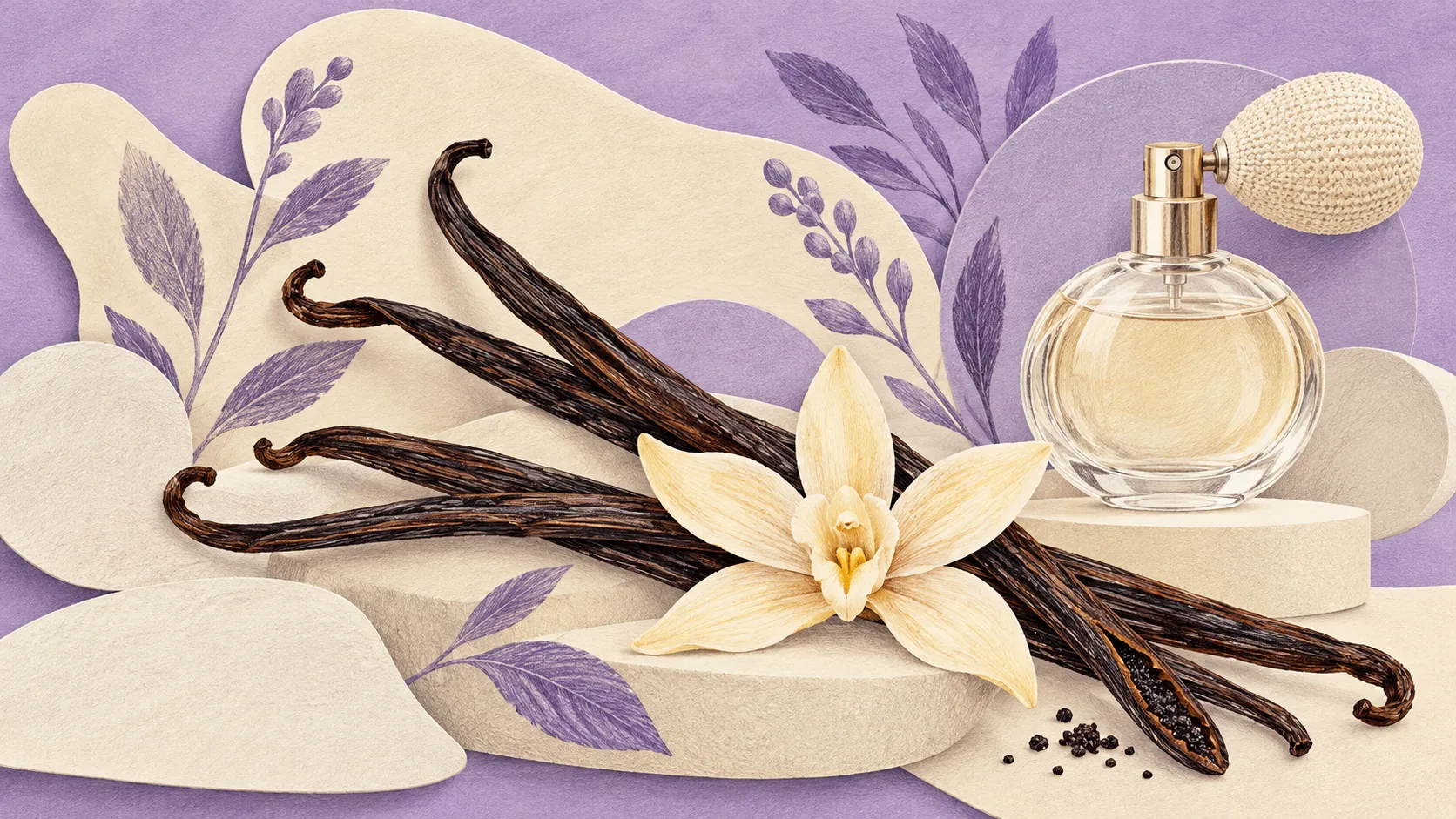 Note profiles
Compare sweetness, texture and the role of a vanilla impression in the whole fragrance.
Read the guide ↗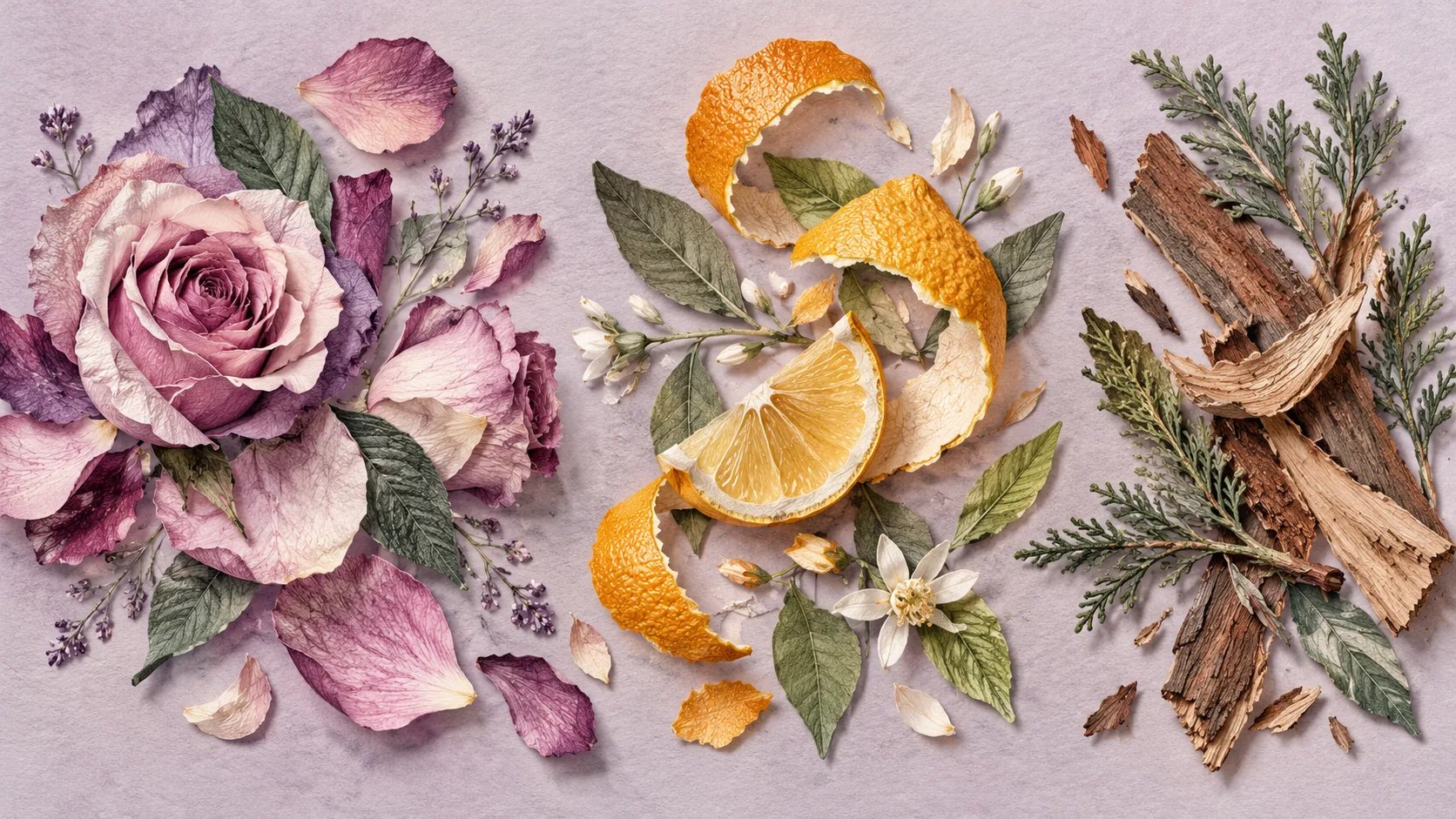 Reading notes
Turn a note list into sampling questions, with expectations kept separate from observations.
Read the guide ↗