What Does Musk Smell Like in Modern Fragrance?
Use musk as a question about texture and balance, rather than a universal smell or ingredient.
Published 2026-10-14 · Fragrentis editorial team2 min read
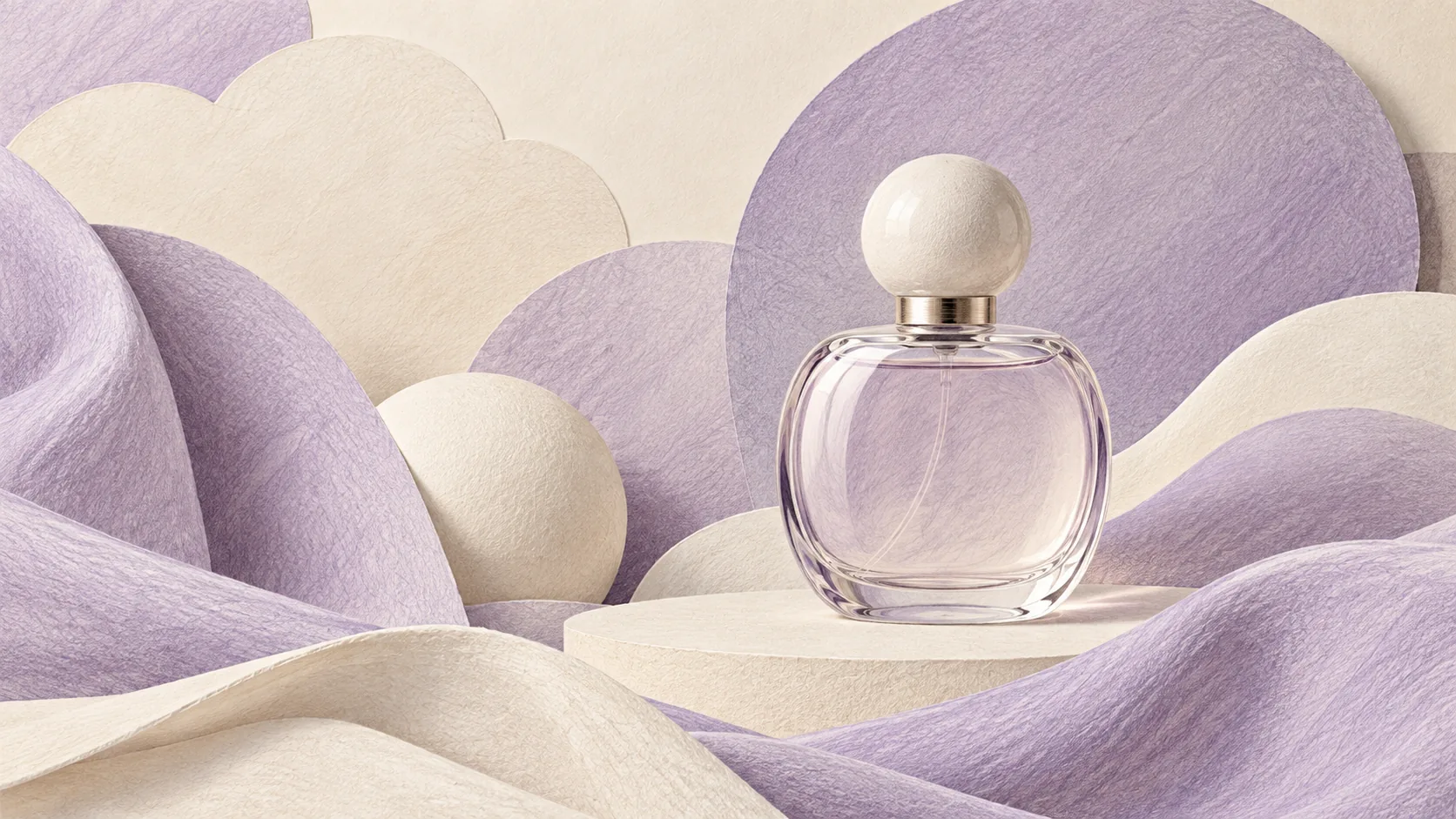
Musk is a broad word in fragrance descriptions. A retail note list may use it to suggest softness, warmth or a particular background texture, but that single word cannot identify a formula. If you have liked one musky perfume and disliked another, the difference does not mean your preference is inconsistent.
Avoid a one-smell definition Different musk ingredients have different profiles. As one concrete example, dsm-firmenich describes its Muscone ingredient with soft, sweet and warm animalic characteristics. Its broader ingredients material discusses other musk directions. These are supplier descriptions of particular materials, not a prediction about every finished perfume labeled musky.
A consumer note list rarely names all the materials behind that impression. Do not infer animal origin, a particular synthetic ingredient, or a safety property from “musk” alone. Those questions need appropriate product disclosures. A scent description and an ingredient record answer different questions.
Build a texture card Use ordinary pairs to describe a sample: soft versus sharp, airy versus dense, sweet versus dry. Add an association only if it is useful to you, such as fabric-like or warm. Treat those words as impressions rather than evidence that the perfume contains fabric-related materials or produces a measured warming effect.
Then ask what role the musky impression seems to play. Is it the main character, a softer background, or something you struggle to separate from the whole? “I cannot isolate it” is a valid entry. The exercise should not pressure you into claiming that you detected every component named on the page.
Compare finished perfumes, not imagined raw materials If you compare two samples, note the rest of their profiles too. Floral, woody and sweet impressions can change how you describe the overall composition. Record the opening and a later observation, but avoid assuming that your impression proves which material remains at that point.
End with a practical preference: “I like the soft background but prefer less sweetness,” for example. That is an invented description that can guide a next sample; it is not a review of a named product. Musk becomes a more useful shopping word when you connect it to the texture and balance you actually enjoy. It becomes less useful when it is asked to stand for one universal smell, source or performance promise.
Sources and further reading
A Fragrentis editorial publication. Editorial policy and disclosure.